Peru's Hidden Echoes: Susana Baca and the Black Africa Inside a Wooden Box
Life is not what one lived, but what one remembers and how one remembers it in order to recount it.
Gabriel García Márquez
When you tune your radio to a Peruvian frequency, the first sound that greets you might be the ethereal, distant, and cold notes of the Andean panpipe (Siku). It is a cultural remnant of the Inca Empire, a melody belonging to high altitudes and soaring condors.
Yet, in the lowlands along the Pacific coast, hidden among sea-swept fishing villages and former sugar plantations, exists another Peruvian sound—one that does not play to the sky, but strikes the earth. This is Afro-Peruvian music, long forgotten by orthodox history, a rhythm born in suffering that bred profound joy and resilience.
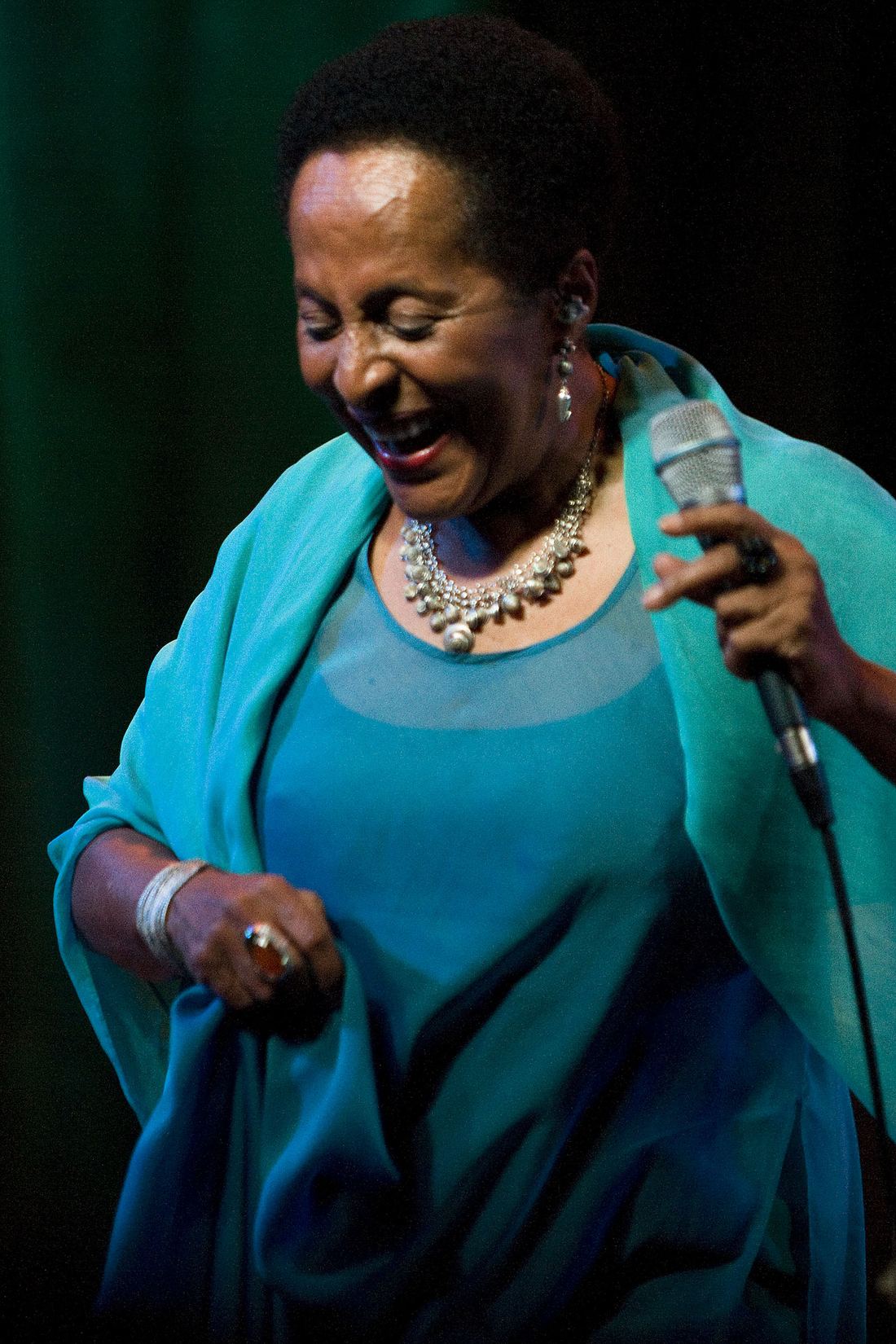
The Artist: A “Scavenger” of History — Susana Baca
To truly understand this hidden sound, you cannot bypass a woman whose name itself sounds like poetry: Susana Baca.
If you listen to her sing for the first time, you will be captivated by its texture. Her voice is not soaring; instead, it carries the raspy, unpolished grit of bare feet walking on warm sand. There is an unrefined grace in her singing—as if she isn't performing on a stage, but whispering to you beside an old grandmother's bonfire.
For a long time, Peru's Afro-descendant communities were marginalized and silenced. In her youth, rather than catering to mainstream pop, Susana and her husband embarked on a lifelong “roots journey” akin to anthropologists. They drove along the coast, delving into remote Black villages, recording the oral ballads, fading drumbeats, and ancestral memories of the elders.
She spent decades salvaging these historical fragments, breathing new life into them with her voice. Not only did she reintroduce the magnificent Afro-Peruvian heritage to the world, but in 2011, she also became the first Black cabinet minister (Minister of Culture) in the history of independent Peru. With her voice, she erected a spiritual monument for her people.
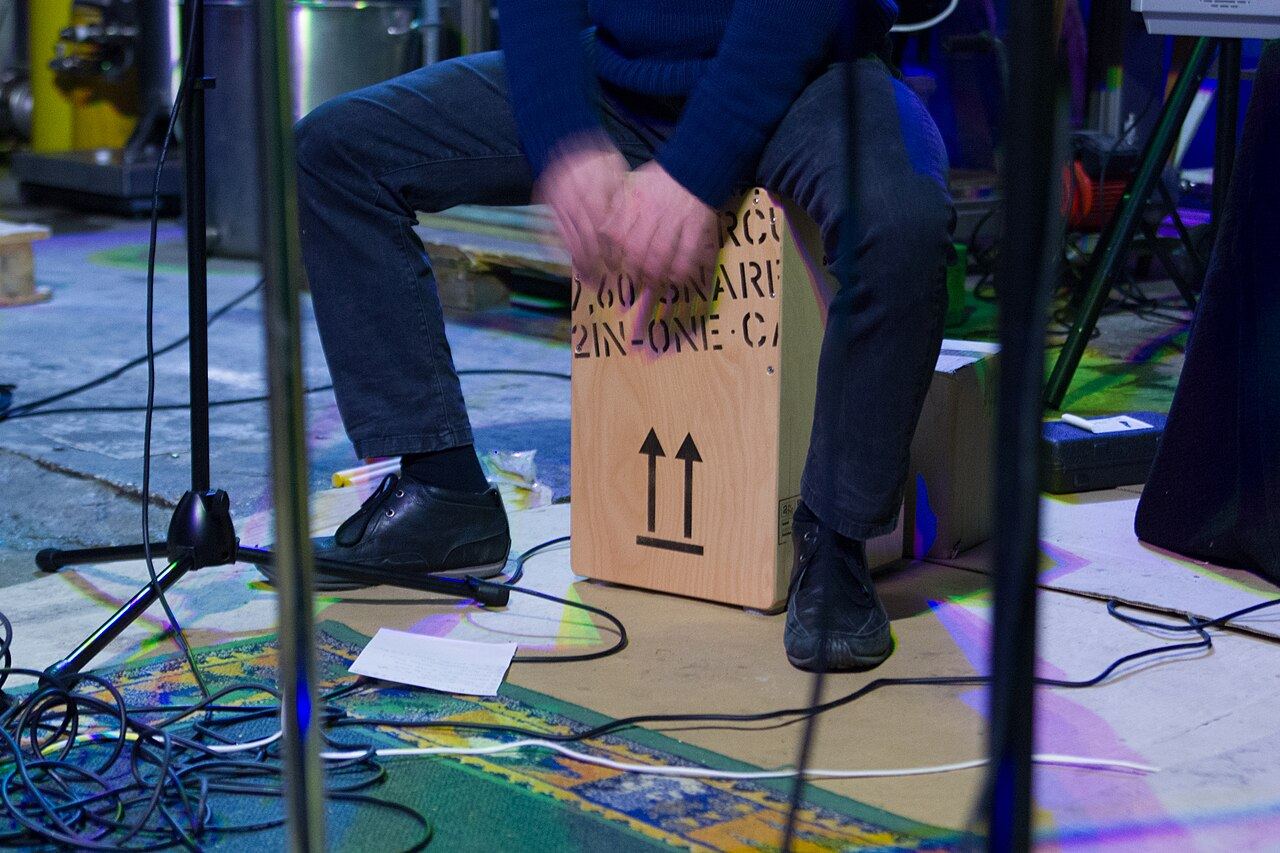
The Instrument: Cajón — A Heartbeat Born in Confinement
When listening to Afro-Peruvian music, your body is involuntarily drawn to a highly textured percussion. The instrument looks incredibly primitive: it is simply a wooden box. It is called the Cajón (meaning “crate” or “drawer”).
The birth of the Cajón is a history of blood, tears, and resistance. Spanish colonizers brought enslaved Africans to coastal plantations in Peru. To prevent the slaves from using drumbeats to send signals for assembly and rebellion, the colonizers strictly forbade them from owning or playing traditional African hand drums.
But the human desire for rhythm cannot be stripped away. Deprived of their drums, the slaves turned to the most common items around them—discarded wooden shipping crates used for papayas or fish. During their brief moments of rest from hard labor, they sat on these crates and slapped different parts of the wood with calloused hands to simulate high and low drumbeats.
The crate became the new drum; the cargo container became a resonant chamber for the soul. The suffering and oppression of the past eventually transformed into the passionate, light, and dance-inducing rhythms on the wooden box. Today, the Cajón has crossed borders to become an indispensable percussion instrument in global unplugged music and Flamenco.
Listen Now
This is the true magic of World Music—behind every rhythm stands a living community and their weighty history. Peru has more than fifty stations, and they are all sorted by genre and playability on the country page. Take your pick there:
Hear Her Sing
Susana Baca on YouTube · official videos and live performances
Pick any station on the Peru page, and in some unexpected moment, you might just encounter the soulful, warm voice of Susana Baca, or the century-old, still-beating heart of the Cajón.